
Aging Infrastructure Needs Components Built to Last
Every summer, more than 100 million people head to America's beaches. According to The 2025 Surfrider Foundation's Clean Water report, over 900 billion gallons of untreated sewage enter U.S. surface waters, and every year, more than 5 million people get sick from swimming in contaminated waters.
This problem is one that engineers and municipalities have been managing for decades, caused by a $630 billion backlog in wastewater infrastructure repairs and upgrades. The bigger issue? The damage is preventable.
Aging Systems Fail
In January 2026, a 72-inch sewer line built in 1962 collapsed just upstream of Washington, D.C. The Potomac Interceptor released more than 240 million gallons of untreated sewage into the Potomac River. E. coli levels spiked to hundreds of times above EPA safety thresholds, and recreational advisories were issued across multiple downstream counties.
In March 2026, back-to-back storms dropped roughly 2 trillion gallons of water across the Hawaiian Islands in what was described as a 1-in-1,000-year event. Systems built decades ago were not designed for the reality of more frequent and intense storms.
Deferred maintenance appears to save money in the short term, but every component that fails in the field costs more to replace than it would have cost to maintain.
Emergency response, system downtime, regulatory violations, and public health impacts add costs significantly higher than the original repair budget.The same logic applies at the component level. A float switch that fails in a pump station wet well does not fail quietly. It can mean a pump running dry, a wet well overflowing, or a system going offline during the exact weather event it was designed to manage.
Sustainable Systems Start With Reliable Components
Investing in infrastructure resilience means choosing components built to last. At Cox Research, our mission is to lead the way in advanced wastewater solutions. This means prioritizing durability, reliability, and cost-efficiency to solve preventable problems at the source.
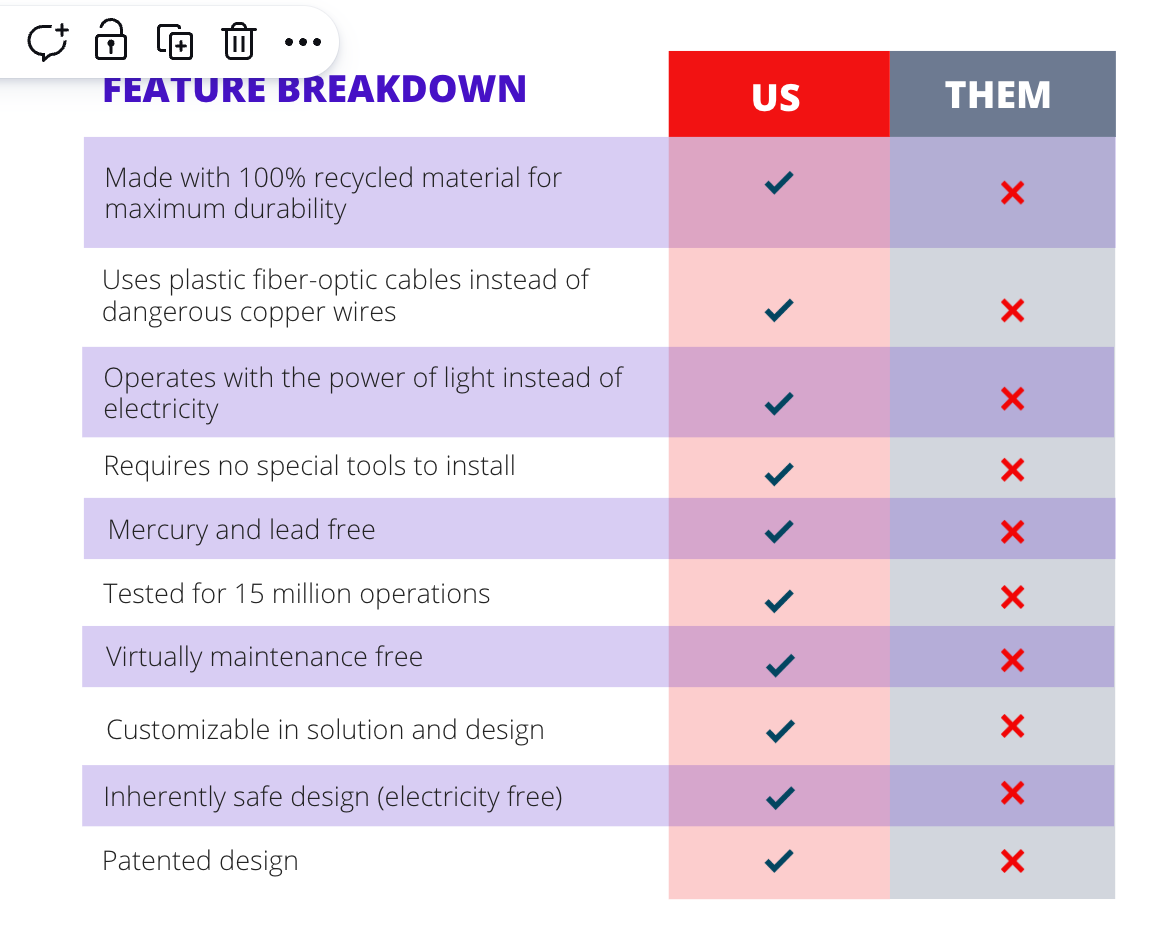
The OPTI-FLOAT® Level Detector replaces traditional mechanical float switches with a fiber optic sensing system and is rated for over 15,000,000 operations.
For municipalities and engineering firms specifying pump station components today, the question is not whether aging infrastructure will be stressed. The question is whether the components inside that infrastructure are rated to handle it.
Explore the opportunity of OPTI-FLOAT® for your treatment facility today!